ESET Science Award 2026
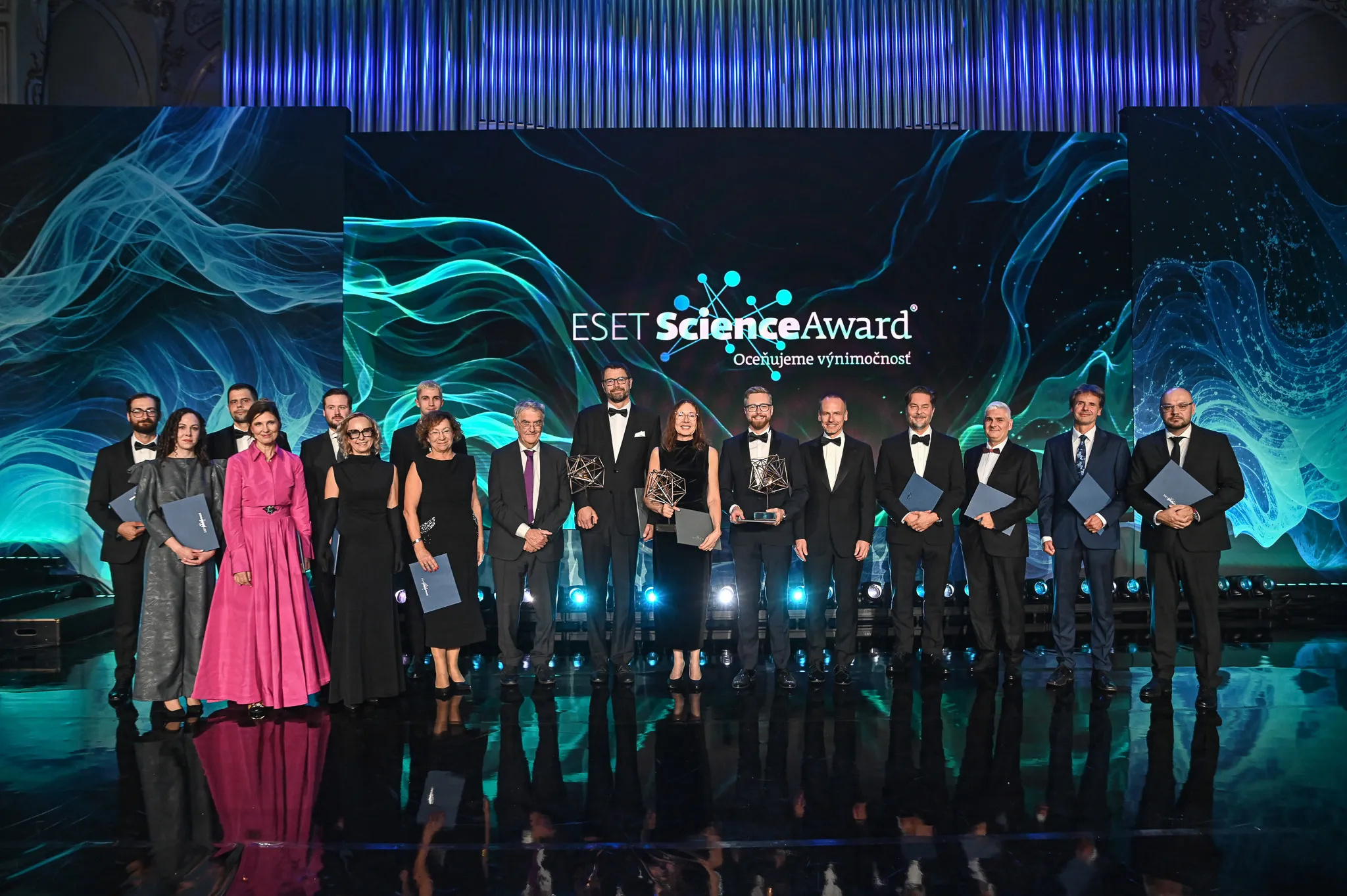
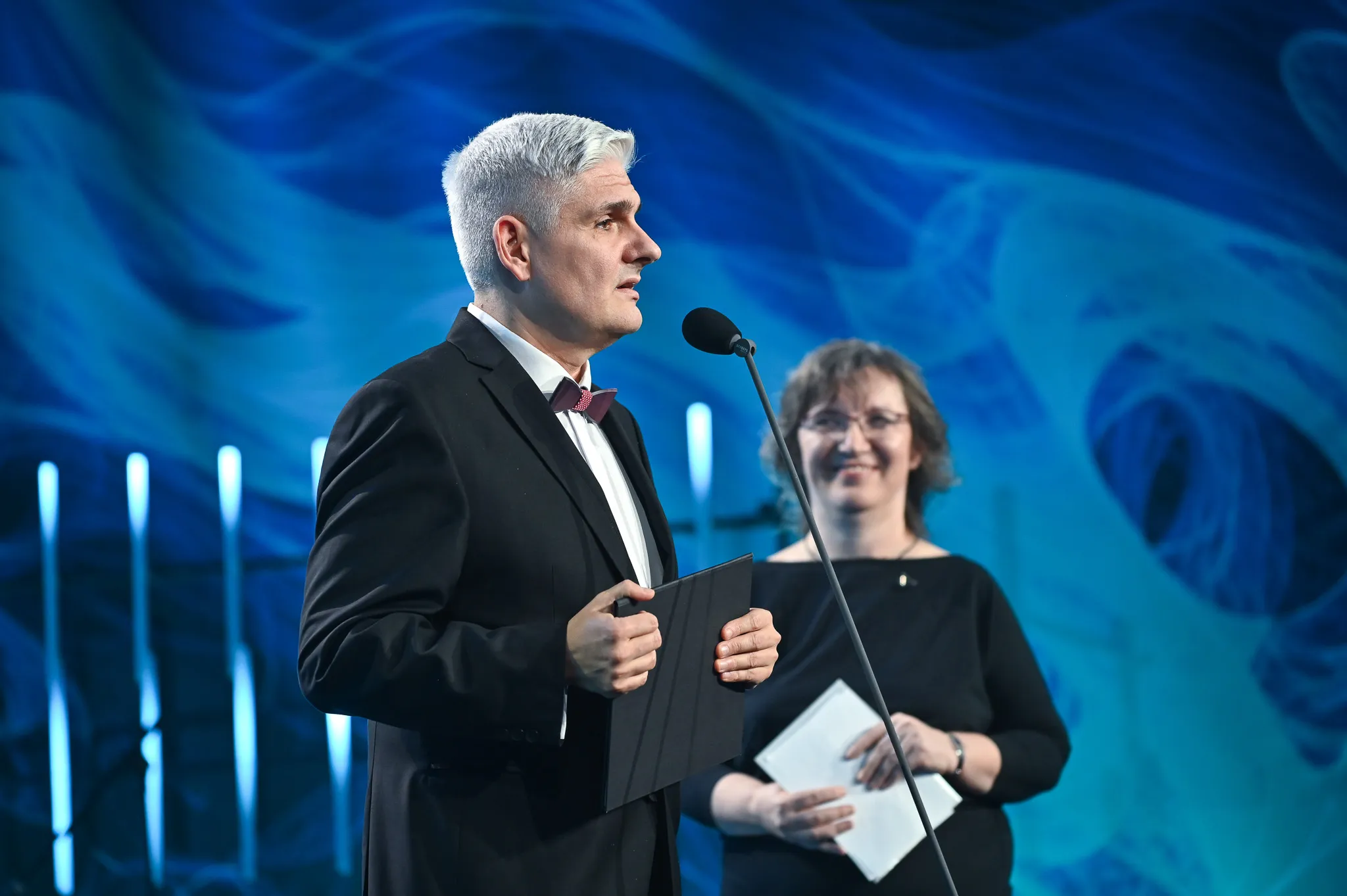
The ESET Science Award annually recognizes individuals whose scientific and research work significantly contributes to the advancement of science and society. The gala ceremony, where this year's laureates were announced on 15 October, marked the culmination of the award's eighth edition. This year's theme, The Responsibility of Knowledge, highlighted the idea that the discovery, dissemination, and application of new knowledge bring with them a responsibility for their impact on people, society, and the world in which we live.
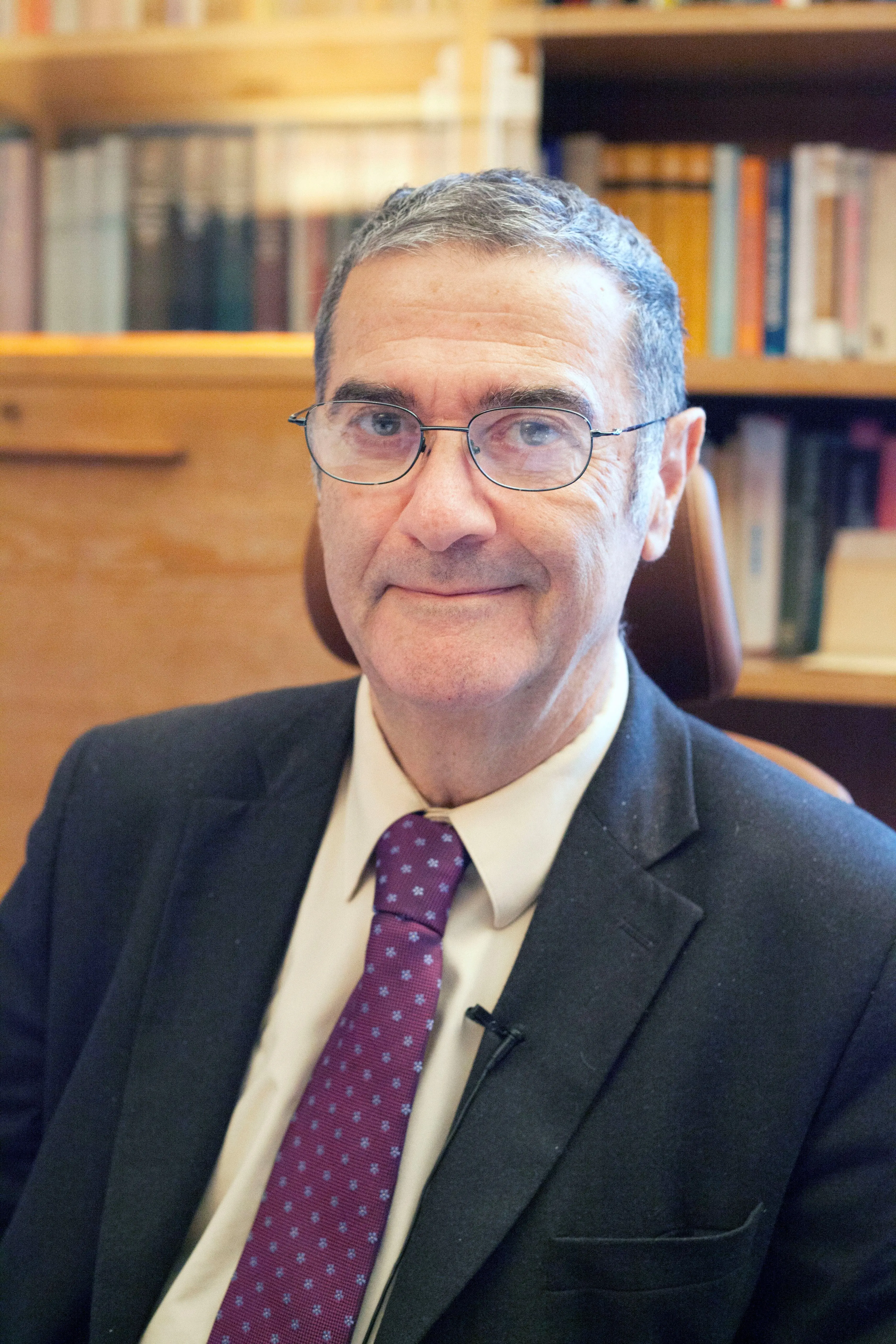
The laureates in the categories Outstanding Scientist in Slovakia and Outstanding Scientist Under 35 were selected by an international jury composed of distinguished scientists from various disciplines. The jury was chaired by Serge Haroche, French physicist and recipient of the 2012 Nobel Prize in Physics, awarded for groundbreaking experimental methods that made it possible to measure and manipulate individual quantum systems.
The other members of the jury were Samuel Bernard (materials chemistry), Marjolein de Jong (medicine and breast cancer care), Pavel Hobza (theoretical chemistry), Dominique Joye (sociology), Shelley McKeown Jones (social psychology), Silvia Ramundo (plant molecular biology), and Jean-Robert Tyran (economics). The laureate in the Outstanding Academic in Slovakia category was selected by representatives of Slovak universities.
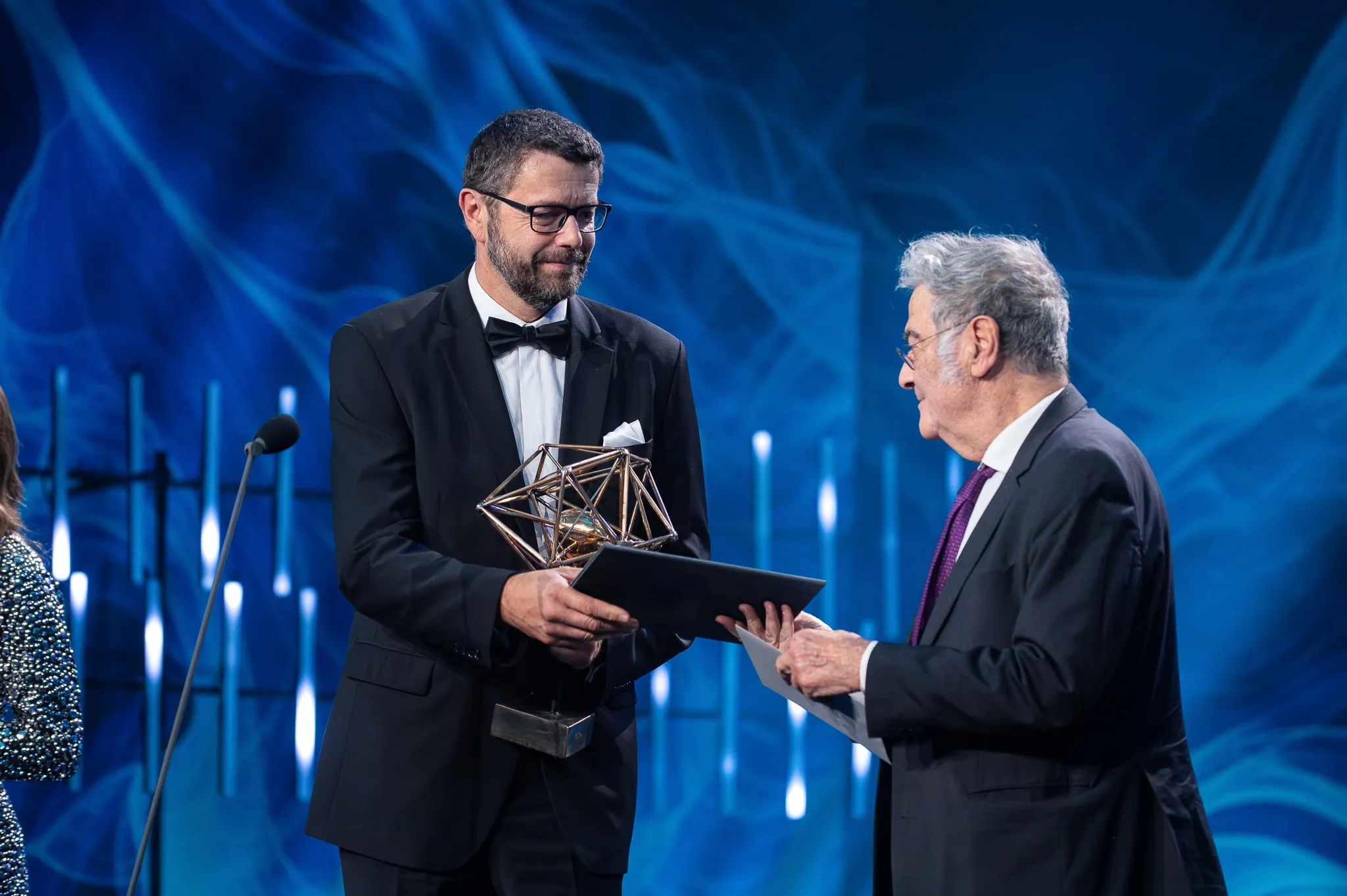
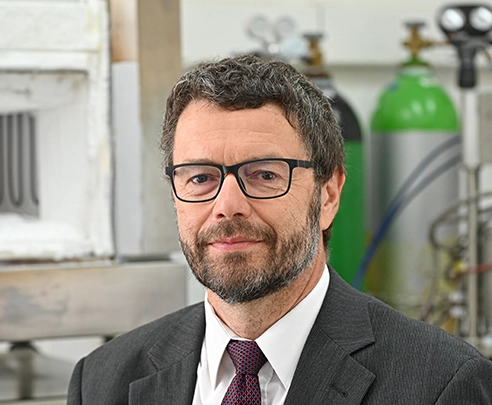
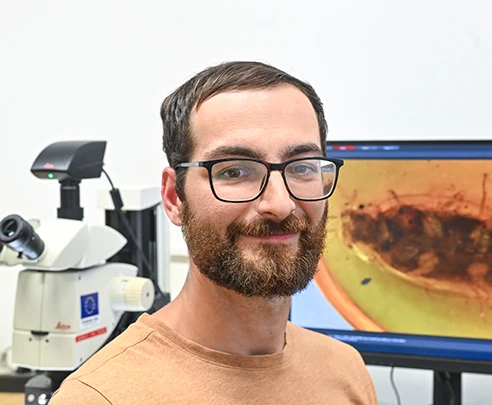
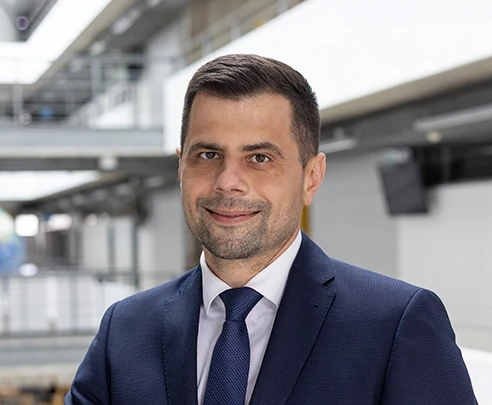
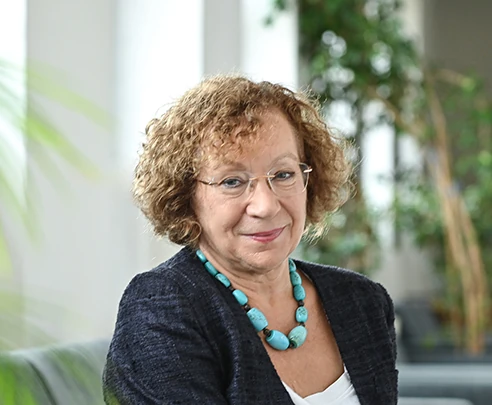
Outstanding Scientist in Slovakia 2026 is Professor Dušan Galusek, who heads the FunGlass Centre at Alexander Dubček University of Trenčín, the largest academic glass research center in Europe, employing more than 120 people from over twenty countries. His team is developing a technology for sorting waste glass according to its chemical composition, which could also assist in the recycling of medical glass. He has also developed a new type of reference material for the chemical analysis of rocks with high lithium or uranium content. His own research focuses primarily on high-entropy oxide materials, with potential applications in thermal barrier coatings, as well as on the production of bioactive glasses through a cold sintering process that could preserve their therapeutic properties during the manufacture of bone implants.
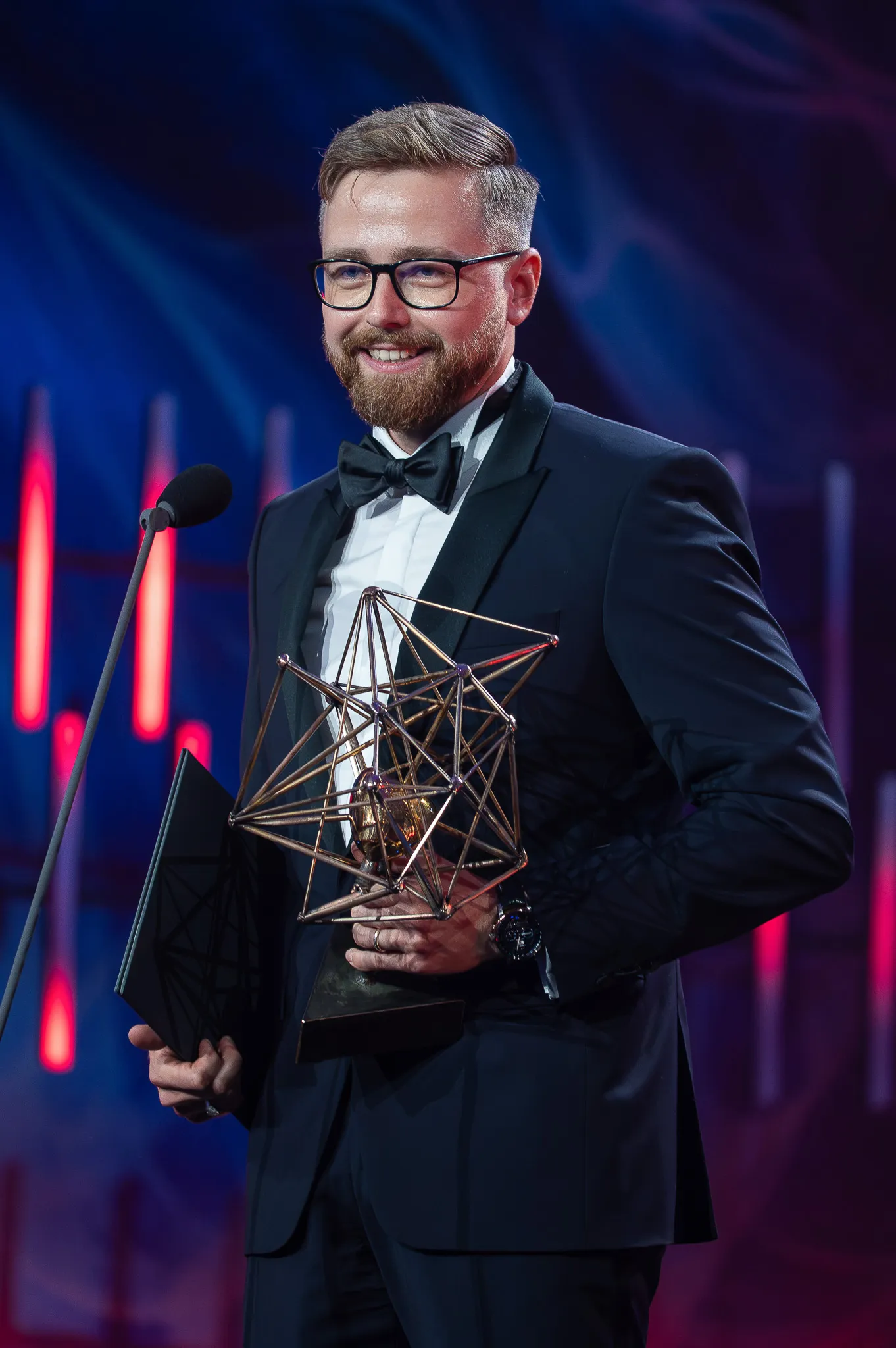
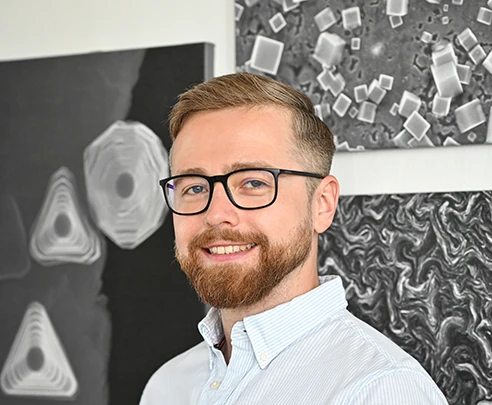
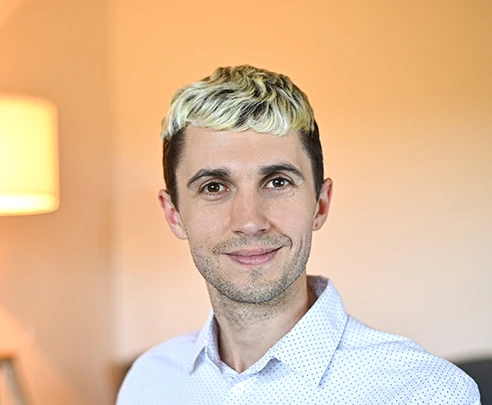
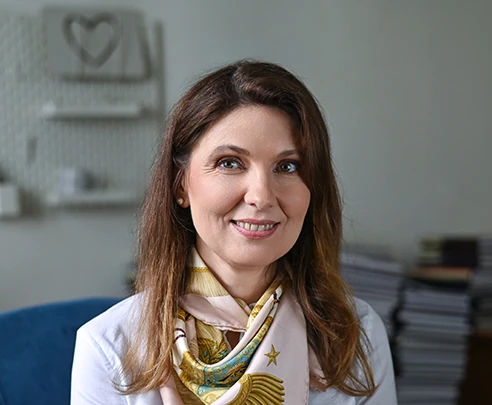
The laureate in the category Outstanding Scientist Under 35 is Marián Janík, a quantum electronics specialist from the Institute of Electrical Engineering of the Slovak Academy of Sciences, where he develops technologies for quantum computers. His research focuses on quantum dots, nanoscale devices capable of trapping and controlling a single electron. Through modeling and simulations, he seeks optimal quantum dot designs for spin qubits. He completed his doctoral studies at the prestigious Austrian institute ISTA. Despite promising career opportunities abroad, he chose to return to Slovakia. His ambition is to build a world-class research group in Slovakia that will emphasize not only scientific excellence but also the personal development of young researchers. He believes that only a satisfied scientist can be truly productive.
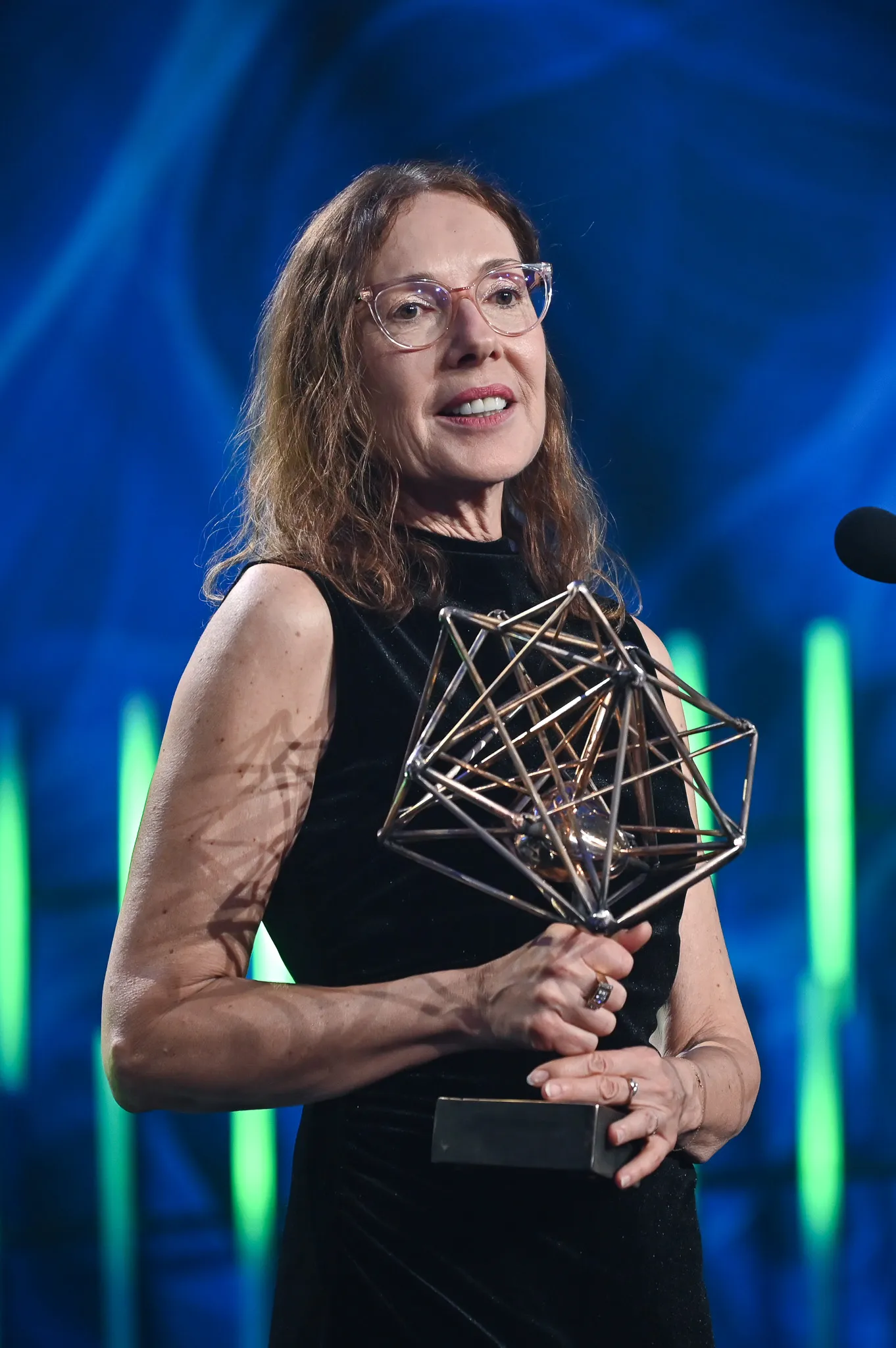
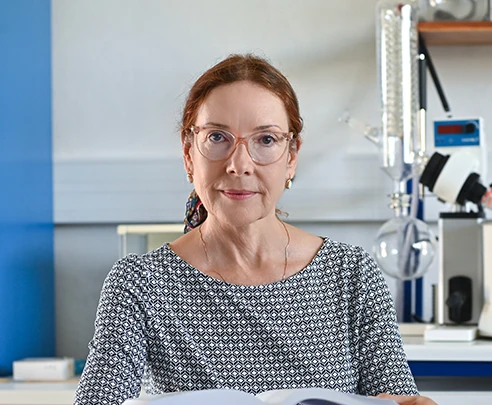
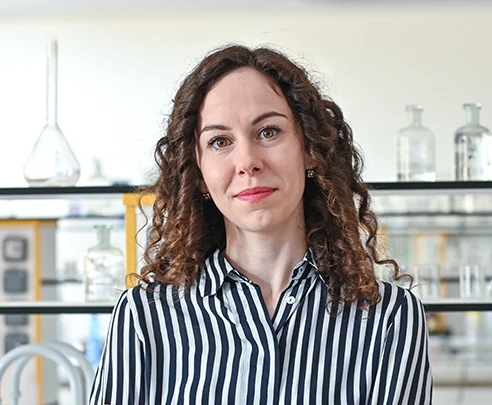
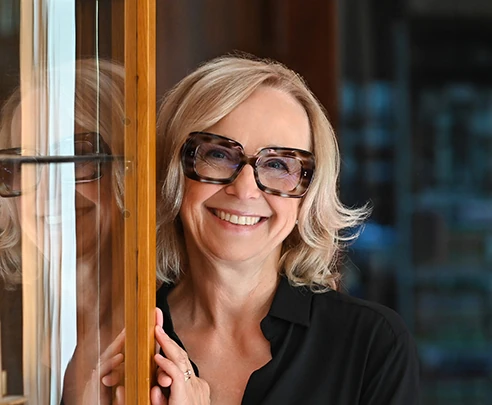
The award in the category Outstanding Academic in Slovakia was presented to Professor Iveta Waczulíková of the Faculty of Mathematics, Physics and Informatics, Comenius University in Bratislava. She is the guarantor of the Biomedical Physics study program, which connects physics with medicine. Her research focuses on the biophysical properties of living systems, particularly cellular energy metabolism, blood properties, and the function of the vascular endothelium in cardiovascular and metabolic diseases. In her teaching, she emphasizes linking theoretical knowledge with practical research and encourages students to think independently, work with uncertainty, and interpret scientific data responsibly.
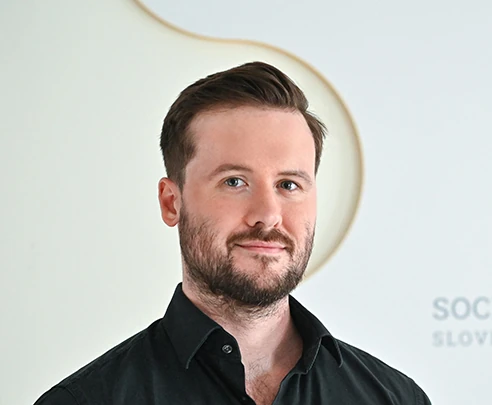
The Public Choice Award was presented to Pavol Čekan, founder and CEO of the biotechnology company MultiplexDX, who received 20,223 votes out of a total of 31,095 valid votes cast by the public. His team developed Multiplex8+, a diagnostic breast cancer test that combines imaging, laser microdissection, and RNA biomarker sequencing to generate signatures predicting how a patient will respond to treatment. This year, his team completed an international study involving 590 patients with the most aggressive subtype of breast cancer and is launching a prospective study across nine countries.

Outstanding
Scientist
in Slovakia
Outstanding
Scientist
in Slovakia
Outstanding
Scientist in Slovakia
Under the Age of 35
Outstanding
Scientist in Slovakia
Under the Age of 35
Outstanding
Academic
in Slovakia
Outstanding
Academic
in Slovakia


Statute PDF